

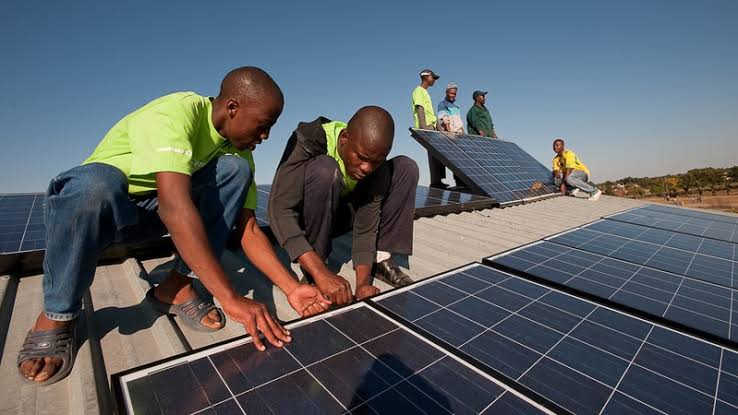
Solar System Price in Nigeria 2026: Complete Cost Guide
If you’re checking the solar system price in Nigeria in 2026, one of the first questions you’ll probably ask is: how much will a complete solar setup actually cost?
There isn’t one fixed answer.
A small solar setup for lights, fans and a TV will cost very differently from a system designed to power refrigerators, air conditioners, pumping machines or an entire office.
The easiest way to understand the cost is to first understand what you actually need to power.
Solar System Price in Nigeria: What Determines the Cost?
In 2026, the cost of a solar system in Nigeria can range from a relatively small setup costing a few hundred thousand naira to several million naira for larger home and business systems.
The final price depends mainly on:
- The inverter size
- Battery type and capacity
- Number and wattage of solar panels
- Your daily electricity consumption
- What appliances you want to run
- How long you want backup power to last
- Installation materials and labour
This is why simply asking for the price of a “5kVA solar system” doesn’t always tell you what the complete setup will cost.
Two 5kVA systems can have very different battery capacities and numbers of solar panels.
What Makes Up a Complete Solar System?
1. Inverter
The inverter converts the electricity stored in your batteries into power your appliances can use.
Common inverter sizes include 1kVA, 2.5kVA, 3.5kVA, 5kVA, 10kVA and larger systems.
But bigger isn’t automatically better.
Your inverter should be selected based on the appliances you intend to run and their combined power requirements.
2. Battery
Your battery determines how much energy you can store for use when your panels aren’t producing enough electricity.
You will commonly find both traditional battery systems and lithium batteries in Nigeria.
Lithium batteries usually cost more upfront, but they have become popular because of their usable capacity, lifespan and lower maintenance requirements.
When comparing batteries, don’t look at price alone. Capacity matters.
For example, a 5kWh lithium battery stores substantially less energy than a 10kWh lithium battery, so comparing their prices without considering capacity can be misleading.
3. Solar Panels
Your panels generate the electricity that charges your batteries and powers your system during the day.
The number of panels you’ll need depends on things such as:
- Panel wattage
- Battery capacity
- Daily electricity usage
- Available sunlight
- Available roof or installation space
A larger battery isn’t very useful if your solar array isn’t large enough to recharge it properly.
4. Installation and Accessories
The inverter, batteries and panels aren’t the entire cost.
A proper installation may also require mounting structures, cables, breakers, changeover equipment, protection devices and other electrical components.
The exact requirements depend on the building and system.
What Solar System Do I Need for My House?
Instead of starting with inverter size, start with your appliances.
Write down everything you want your solar system to power.
For example:
Basic setup:
Lights, fans, television, decoder, phones and laptops.
Medium home setup:
Everything above plus refrigerator/freezer and additional appliances.
Larger home setup:
Refrigerators, pumping machine, microwave, air conditioners and other high-power appliances.
The more equipment you want to run simultaneously, the larger the system is likely to become.
Can Solar Power an Air Conditioner in Nigeria?
Yes.
A properly sized solar system can power an air conditioner.
However, ACs can significantly increase the amount of power your system needs.
The number and size of air conditioners, how many hours you use them, and whether you want them running at night all affect the required inverter, battery and solar-panel capacity.
This is one reason you shouldn’t buy a solar system based only on someone else’s setup.
Is a Lithium Battery Worth It for Solar?
For many buyers, lithium is worth considering because it can provide high usable capacity and generally requires less maintenance than traditional battery technologies.
However, the better choice depends on your budget and usage.
Rather than asking only:
“Which battery is cheaper?”
Consider:
“How much usable energy am I getting for my money, and how long is the battery expected to serve me?”
That gives you a much better comparison.
Where Can I Check Solar System Prices in Nigeria?
Solar system prices in Nigeria can change frequently, so prices you find in an old article may no longer reflect what you’ll actually pay.
SolarMarketHub makes it easier to check current prices and compare different solar products available in Nigeria.
You can explore:
- Inverters
- Lithium batteries
- Solar panels
- Complete solar systems
Instead of relying on an old price list, you can check the available products and their current prices before making your decision.
Before You Buy a Solar System
Don’t start by asking for the biggest inverter your budget can afford.
Start with one question:
“What do I need to power?”
Once you know that, you can determine the inverter capacity, battery storage and solar-panel capacity required to handle your needs.
A properly sized smaller system can be a much better purchase than an expensive system whose components don’t match your actual electricity needs.